Nature and Nurture School trail map
WHO?
Creative and compassionate folks (families and teachers) craving for more nature in their lives and their children’s lives.
WHY?
To answer a need of care in nature, filled up with respect toward little folks and being as affordable as possible.
WHAT?
Cooperative (cooperation) based on deciding together, everyone’s engagement, sharing and dialogue.
HOW?
By providing and strengthening warm, joyful and compassionate bonds between adults (parents and teachers) and children. We support children in becoming their very own selves
WHERE TO?
Into sharing joy and struggles of parenthood, childhood and teacherhood, celebrating life, learning from each other, witnessing children and us grow, toward lasting relationships.
Inspired by
“Hold on to your kids”, by Gordon Neufeld & Gabor Mate
We work in small groups to allow children build a lasting connection with their teachers, who provide example, ensure safety, and create warm atmosphere.
“Siblings without Rivalry” by Adele Faber & Elaine Mazlish
We trust children in their skills of solving conflicts and intervene only if their wellbeing is at risk. We focus on emotions, needs and collective solutions.
“Teaching children compassionately” by Marshall Rosenberg
Since we count on children’s sense of wonder and empathy we avoid criticism, labelling, grades (reward systems), “shouldness” or coercion in learning processes.
“Listen” by Patty Wipfler & Tosha Schore
By acknowledging and listening to children’s emotions we communicate that they are accepted, understood and respected.
Also Inspired by
Waldorf – Rudolf Steiner
Steiner believed that imitation and example were more important than words and his approach aimed to “honor and protect” the wonder of early childhood.
Reggio Emilia – Loris Malaguzzi
The approach believes that when children choose their own educational paths they remain actively engaged in the learning process longer than when they are guided to learn topics.
Maria Montessori
Based on hands-on learning, self-directed activity, and collaborative play. Children are also given the freedom to make creative choices in their learning.
Democratic schools – Yaacov Hech
Democratic education sees young people not as passive recipients of knowledge, but rather as active co-creators of their own learning. Students and staff together solve community problems.
Forest Education
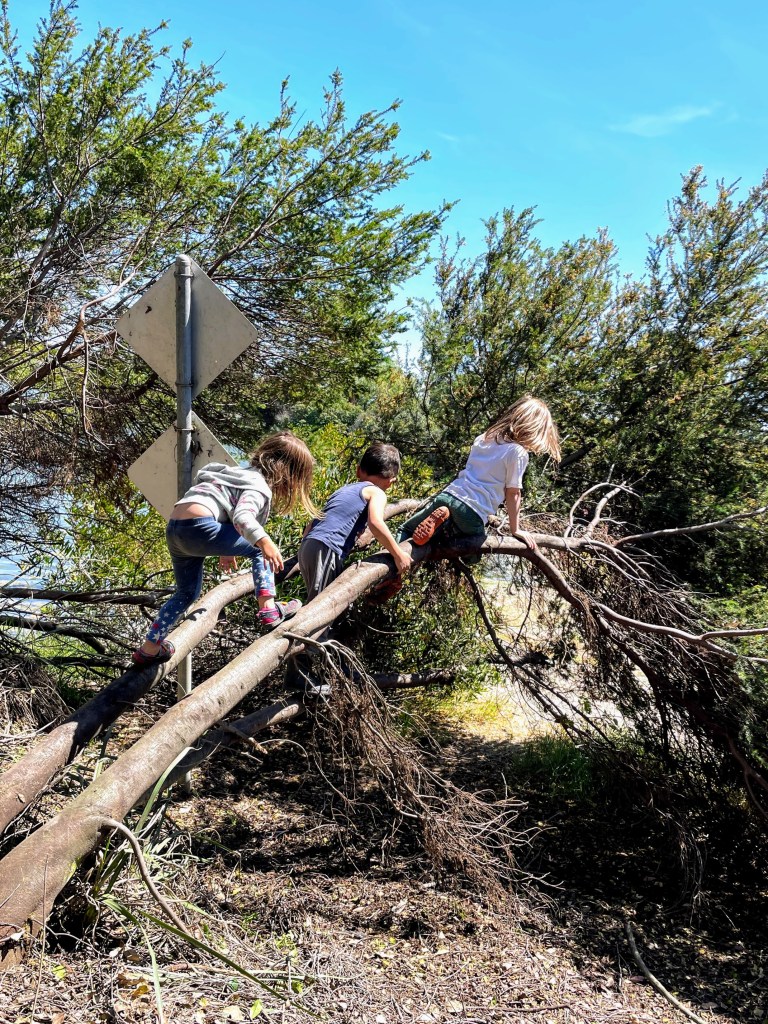
Forest school uses the woods as means to build independence, self-esteem, self awareness, self regulation, social skills, empathy, motivation.
Values
- Transparency
- Kindness
- Compassion
- Cooperation
- Non-violent communication
- Nature based learning and development
- Respect toward uniqueness
- Symbiosis
Beliefs
- Family bonds strengthening (in a single family and between a community of families)
- Adding to the community and getting involved
- Children motivation and curiosity towards life and the world
- Interests and project-led learning
- Making decisions together
- Uniqueness of characters and learning methods
- Supporting children emotional expression and understanding through conversation and art
 Together we touch hearts